
This is a part three of a series of posts that talks about software development and LLMs.
Part one is software engineering enters its accounting era.
Part two is software engineering as social media.
Non-trivial software is a social endeavor. Many of the leading free software projects famously started with publicly calling people to participate and contribute: GNU or KDE come to mind. But even projects that were not necessarily outright calling for more people to join included many people doing work.
The famous essay The Cathedral and the Bazaar, while discussing different free software development models, still paints the software development landscape as groups of people trying to do something, agreeing and disagreeing, and collaborating in different ways.
I think the agentic model is adding another model: that is the courier model to software development. Similar to what you have when you log in to the part-time work platforms like Uber, the app – the agent terminal – tell you what open work is there, and suggests a next step. Your session ended at A, next is B, C, and D. I suggest B. Go?
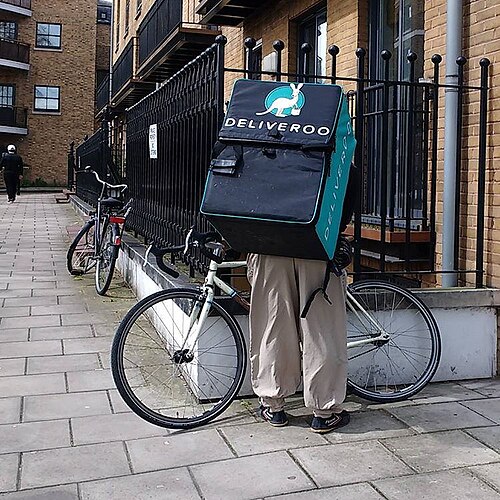
Same as you don’t know who is rushing on the streets to make the next delivery, and who is your colleague, the agentic model of software development hides everyone else doing the work. Sure the project may eventually show up on GitHub, or even as a paid service, but the whole process of learning while doing together is gone. Even the functionality you get for collaborating on same documents, say on Google Docs, is not possible with agentic development (so far at least).
Additionally, the line is blurred about who is the boss, can you ever say not to continue with the work? If Duolingo gets flagged (at least in the EU) for “dark patterns” what is there to be said for Claude Code’s (and other LLMs) coding streak?